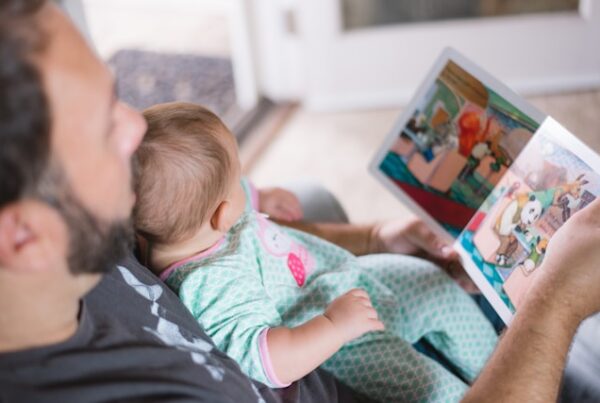




A parent’s guide to why those 10 minutes at night matter more than you think.
Bedtime stories are not just a sweet nighttime ritual — they are one of the most powerful tools in a parent’s toolkit. Long before children learn to read, their brains are already absorbing rhythms, patterns, emotions, and meaning from the stories we share. Neuroscientists now agree: the few minutes you spend reading before sleep have lifelong benefits.
So what exactly happens inside your child’s brain when you say, “Come, let’s read a story”?
Let’s dive in.
1. The Brain Lights Up Like a Festival
When you read aloud, multiple areas of your child’s brain activate at the same time — language centers, emotional centers, memory pathways, and imagination networks.
Think of it as a Diwali of neurons. ✨
Scientists call this neural coupling: your child’s brain mirrors your voice, your tone, your expressions. This synchronisation builds your child’s ability to understand emotions, context, and nuance.
2. Vocabulary Grows While They Snuggle
Reading aloud exposes children to three times more unique words than regular parent-child conversation. Even simple picture books introduce:
-
rare adjectives
-
descriptive phrases
-
emotionally rich vocabulary
And the best part? Children absorb vocabulary faster when they are calm — and bedtime is when the brain naturally shifts into a receptive, learning-ready state.
3. Bedtime Storytelling Strengthens Emotional Security
When you read to a child at the end of the day, you communicate:
“No matter what happened today, you are safe.”
This activates the parasympathetic nervous system — the body’s “calm down” mode — lowering stress hormones and strengthening the emotional bond between parent and child. Children who experience this daily feel:
-
more secure
-
more connected
-
more confident
-
better able to regulate emotions
This is why many psychologists call bedtime reading “emotional co-regulation.”
4. Stories Before Sleep Boost Memory Consolidation
Here’s where the science gets magical. When we sleep, the brain reviews the day, sorts learning, and strengthens neural pathways — a process known as memory consolidation. So when a child listens to a story just before sleep:
-
the words
-
the sequences
-
the morals
-
the emotional patterns
…get stored more effectively. This is why children can recall bedtime stories verbatim, even months later.

5. Imagination Expands — Literally
MRI scans show that when children hear descriptive storytelling (“the snow sparkled like stars”), the visual cortex activates — even if there is no picture in front of them. Bedtime makes this even stronger because the boundary between wakefulness and dream-like imagination is thin.
You’re not just reading to them — you’re building the architecture of their imagination.
6. Bedtime Reading Improves Sleep Quality
A calm routine of reading:
-
slows the heart rate
-
stabilises breathing
-
reduces bedtime battles
-
signals the brain that sleep is coming
This predictable rhythm helps children fall asleep faster and stay asleep longer.
It also replaces overstimulating screens with soothing, structured storytelling — a huge win.
7. Children Learn Empathy in the Softest Way
Stories are the safest space for children to explore:
-
fear
-
kindness
-
making mistakes
-
apologising
-
helping others
-
dealing with big feelings
Through characters, they rehearse real-life emotional situations. This is early emotional intelligence in action. When a story like Pob’s Furoblem shows a character facing a challenge and learning through friendship, children internalise those lessons — gently and naturally.
8. Bedtime Stories Become Family Memories
Long after the child grows up, they won’t remember the toys they had — but they will remember:
-
the warmth of your arm
-
the rhythm of your voice
-
the smell of the room
-
the feeling of being loved
These memories shape their sense of belonging and safety for life.
So, What Should Parents Do?
Just 10 minutes of reading aloud each night is enough to:
-
strengthen brain development
-
build emotional intelligence
-
accelerate vocabulary and reading skills
-
improve sleep
-
deepen your bond
Make it simple, make it sweet, make it consistent. Choose books with rhythm, repetition, warm illustrations, and gentle messages — especially for ages 1–6.
And if you’re looking for a heartwarming Christmas bedtime read, Pob’s Furoblem brings friendship, giving, and festive magic together in one joyful story. 🎄✨ (Plus, it’s an Amazon India Top 10 Hot Release!) BUY HERE
Final Thought
Bedtime stories are not about teaching children to read. They’re about teaching them to feel — safe, loved, curious, and connected. That’s the real science behind the magic.