

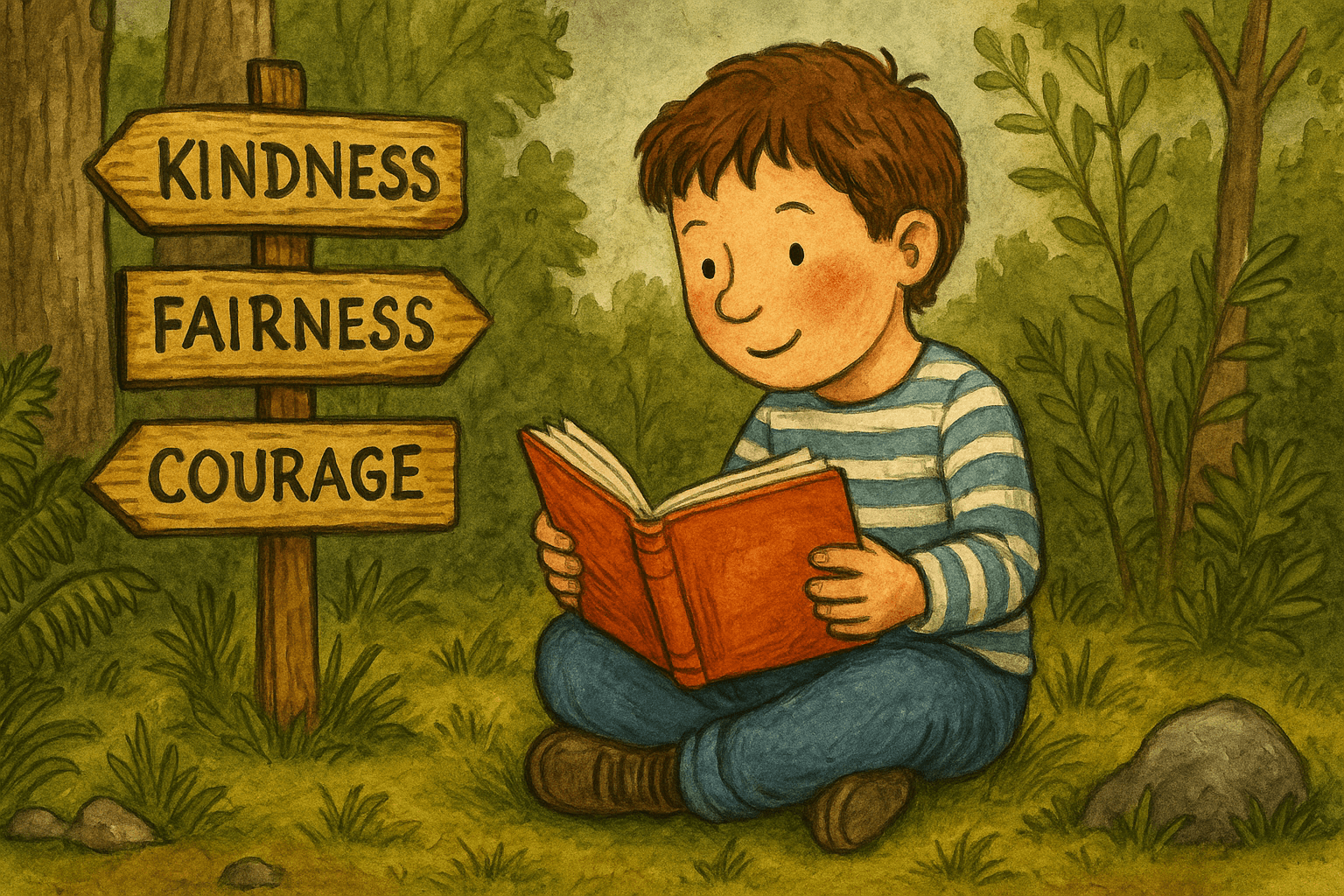

In most homes, reading is seen as a way to boost vocabulary, improve grades, and sharpen the mind. But the truth is far deeper: books shape the person long before they shape the student. Long before a child can spell, they are already learning who to be through the characters they meet, the stories they love, and the emotions they experience while reading.
Here’s how reading quietly builds a child’s character and moral compass.
1. Stories Teach Empathy Without Lectures
When children read about characters who feel scared, excited, lonely, brave, or confused, they begin to understand emotions that aren’t their own.
A child who sees a character sharing toys or comforting a friend is more likely to imitate that behaviour.
Books are “empathy gyms” — they stretch the heart gently, page by page.
2. Reading Helps Children Understand Consequences
Stories naturally show actions and their outcomes. A broken promise, a lie, an act of kindness — each one leads to something.
Through stories, children begin to connect the dots:
-
“If I do this, something will happen.”
-
“If I hurt someone, they feel sad.”
-
“If I help, things get better.”
This is moral reasoning at its simplest and most powerful.
3. Characters Become Role Models
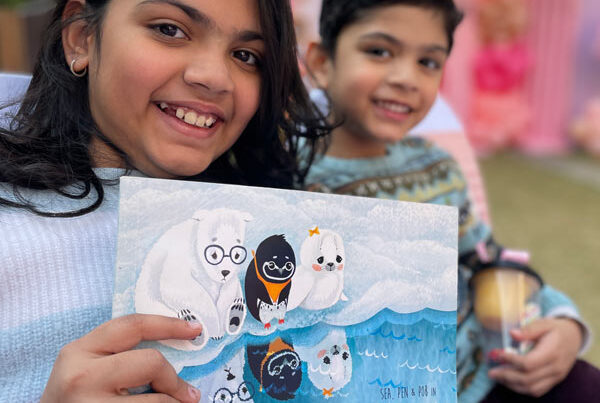
Whether it’s a brave little penguin, a thoughtful bear, or a friend like Pob, children absorb the values their favourite characters demonstrate:
-
courage
-
honesty
-
generosity
-
patience
-
responsibility
Long after storytime ends, these characters stay with them — shaping choices, behaviour, and attitudes.

4. Stories Make Complex Ideas Simple
How do you explain fairness, kindness, courage, or sharing to a 4-year-old? Books do it beautifully. A single story can simplify what adults struggle to teach through long conversations. Children see values in action, not just hear about them.
5. Reading Builds Internal Strength
Many stories show characters failing, trying again, asking for help, or overcoming fear.
This helps children:
-
tolerate frustration
-
believe they can improve
-
understand that mistakes are normal
-
develop resilience
In a world obsessed with perfection, stories offer the gift of grace.
6. Books Create Safe Spaces for Big Feelings
Children often feel emotions they don’t understand — anger, jealousy, sadness. When they see characters navigate similar feelings, they learn:
-
“I’m not alone.”
-
“Others feel like this too.”
-
“There are ways to handle this.”
This emotional awareness becomes the foundation of strong character.
A Final Thought
Academics prepare children for tests. Stories prepare them for life. When you read to your child, you’re not just building a reader — you’re shaping a kind, empathetic, thoughtful human being.