



1. Picture books train the developing brain in ways screens simply cannot.
A young child’s brain is hungry for experiences that build language, emotional understanding, memory, and imagination. Picture books offer all of these at once.
When a child turns a page, they’re not just reading — they’re decoding images, connecting scenes, predicting outcomes, and interpreting emotions. This active mental engagement builds neural pathways that passive screen consumption cannot replicate.
Studies show that children who are read to regularly develop larger vocabularies, stronger comprehension, and better attention spans. The tactile act of holding a book, feeling the weight of the pages, and moving physically through a story builds cognitive discipline that screens often interrupt with constant stimuli.
2. Books create emotional connection — something no app can replace.
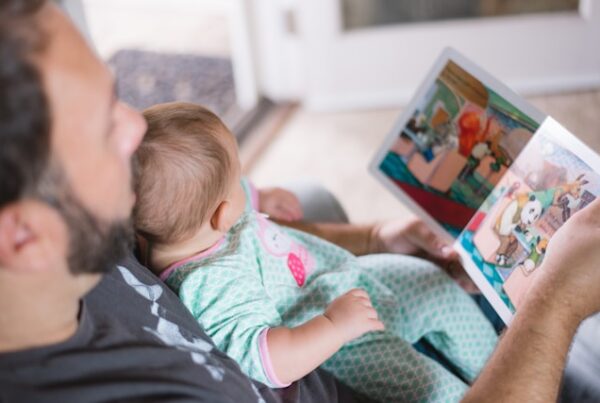
Children don’t just read stories; they feel stories. Picture books give a shared emotional experience between the child and the adult reading with them.
Your voice, your expressions, the pauses you take — all these shape how a child builds empathy and emotional intelligence.
A screen tells the story to a child.
A picture book lets the story unfold with a child.
Moments spent reading together become emotional anchors in childhood — rituals of comfort, closeness, and belonging. These moments teach children what safety feels like, what imagination sounds like, and what connection looks like.
3. Picture books build attention, imagination, and patience.
Screens provide instant outcomes. A swipe makes something disappear. A tap brings a reward. This overstimulation shortens attention spans and conditions children to expect quick gratification.
Picture books work differently.
They ask a child to slow down… to notice details… to wonder what comes next.
This deliberate pace builds deep focus and imaginative thinking — foundational skills for creative problem-solving later in life.
Picture books allow children to fill the silence with their own ideas.
Screens fill silence for them.
4. Stories shape values in a gentle, lasting way.
The right picture book doesn’t just entertain. It teaches kindness, sharing, thoughtfulness, courage, and emotional vocabulary.
Children learn by mirroring what they see — not just visually, but behaviourally. Stories help them understand themselves and the world around them in ways no animated character or AI-generated voice truly can.
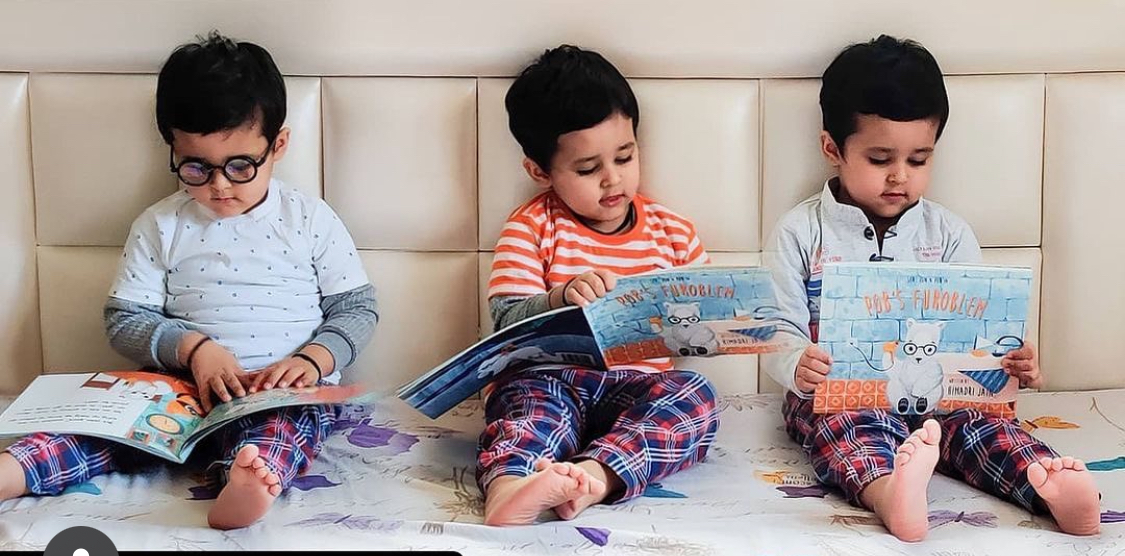
Books like Pob’s Furoblem, which highlight friendship over materialism and the joy of giving, gently guide children toward values that matter — empathy, generosity, and connection.
Top 3 Strategies for Parents To Get Kids off their screens
1. Make reading a ritual: 10 minutes a day is enough to shape a lifelong habit.
2. Use books to spark conversations: Ask questions, explore feelings, make the story interactive.
3. Keep books accessible: Place picture books where kids can reach them — visibility leads to curiosity.