

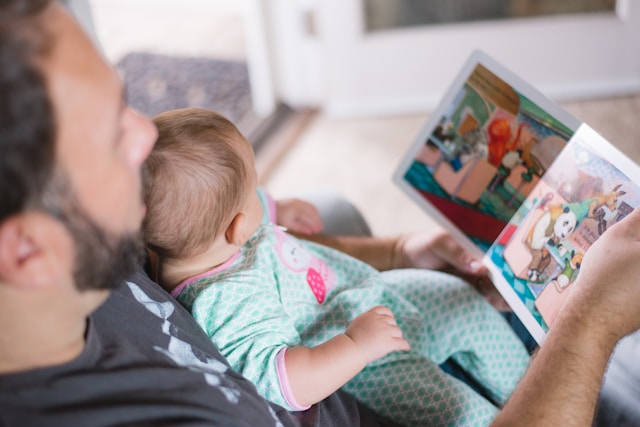

If you want to raise a reader, the secret is simple: start them early. Long before children can decode letters or read sentences, they are absorbing language, rhythm, connections, emotion, and meaning.
Start Before They Can Read
Reading aloud to babies and toddlers builds the foundation for lifelong literacy. The sound of your voice, the rise and fall of a story, the repetition of favourite lines, all of this wires the brain for language. Picture books with bold illustrations and predictable patterns help children associate books with comfort and joy. This early emotional connection is what later turns into curiosity and habit.
Make Books a Daily Ritual, Not a Reward
One of the most effective strategies is consistency. When reading is woven into daily life it becomes normal, not optional. Avoid positioning reading as a “reward” for good behaviour; instead, make it as routine as brushing teeth. Children who grow up around books see them as companions, not assignments.
Let Them Choose (Even If You Disagree)
Children become voracious readers when they feel ownership. Allow them to pick their own books. This may mean rereading the same story twenty times or choosing books you find silly. The goal isn’t variety ; it’s attachment. Once a child loves reading, variety naturally follows.
If a child is not introduced to books at an early age, the child will miss the opportunity to develop reading skills and a love for reading.
– Maria Montessori
Be the Reading Role Model
Children imitate what they see. If books are visible at home and adults are seen reading—for pleasure, not just work—children internalise reading as a valued activity. Talk about what you’re reading. Laugh, react, and share moments from books. This signals that reading is alive, relevant, and enjoyable.
Create a Book-Rich Environment
A house doesn’t need a library to raise a reader. A small, accessible shelf, rotating books, library visits, book fairs, and gifting books instead of toys all send one clear message: stories matter here. Let books travel with your child—to the park, the car, the doctor’s waiting room. Accessibility fuels habit.
Read for Joy, Not Just Skill
Finally, resist the urge to measure progress too early. Fluency will come. Vocabulary will grow. What matters most is joy. A child who associates reading with warmth, connection, and imagination will naturally evolve into a strong reader.
Make Reading a Currency
When reading is treated like a currency; it naturally feels valuable. This isn’t about bribing children, but about thoughtfully connecting reading to autonomy and access. For example- extra bedtime stories can earn the right to choose the next book, reading time can lead to picking the family movie, or finishing a book can unlock a special outing or a visit to the bookstore or library. The message is subtle but strong: ‘reading has value’. Over time, the rewards may fade away, but the habit stays.